

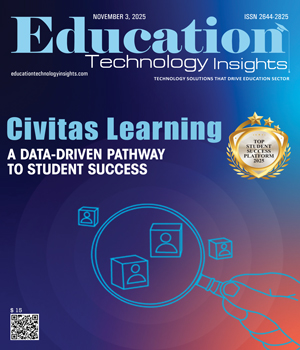

Civitas Learning: A Data-Driven Pathway to Student Success

Top Student Success Platform - 2025

Education is no longer confined to the classroom. It is an evolving ecosystem shaped by technology, personalized learning and real-world application. As the demands of the modern workforce grow more complex, academic institutions and educators are turning to digital innovations to better prepare students for both academic and professional success. New-age edtech solutions are redefining how learners engage, achieve and transition from education to employment.

Student success platforms are creating connected learning environments where data drives outcomes. Through analytics, predictive insights and personalized dashboards, educators can identify gaps early, intervene effectively and track progress in real time, while students gain clearer visibility into their learning journey.

Career readiness platforms are bridging the gap between education and industry with employability assessments, resume tools and virtual coaching. They help students map skills, explore career pathways and access internships or mentorships aligned with their goals, producing confident, job-ready graduates.

Student test prep apps are revolutionizing exam preparation. AI-driven recommendations, data-driven customizations, adaptive assessments and gamified experiences are making studying more engaging and personalized, leveling the playing field for learners worldwide.

This edition of Education Technology Insights explores how leaders in the edtech space are creating integrated ecosystems that support student success. Featured thought leaders include Doug McGee, director of teaching, learning and assessment at Idaho State University, who highlights the need for technology, adoption to support equitable, accessible and meaningful learning. Michele Figueroa, director, reporting and technology at Berkeley College, emphasizes that supporting student well-being, from mental health to food security, is vital for academic success.

The magazine also spotlights Civitas Learning, which empowers higher education institutions with AI-driven analytics and workflow tools to improve student outcomes, promote equity and institutional effectiveness.

We hope this edition inspires new perspectives on how education platforms are connecting learning with career readiness to help every student succeed in a changing global economy.
    Top Student Success Platform

  • Civitas Learning helps colleges and universities apply their data to improve the student outcomes that matter most. It’s a flexible, all-in-one platform that creates actionable insights surfaced in connected workflows, so your team can pinpoint students at risk of missing important milestones, explain why, take action and evaluate which policies and programs are making a difference.

    www.civitaslearning.com

Student Engagement FAQ

Q1
What Do Top Student Engagement Solutions Help Educational Institutions Do?
Top Student Engagement Solutions help schools, colleges and universities improve how students connect with learning, campus services and institutional support. These platforms often combine communication tools, engagement tracking, advising workflows, community-building features and student success analytics into one system. The goal is not simply to increase participation rates. Institutions use these tools to identify disengagement early, improve retention and help students find academic and social support before small issues become larger barriers to progress. Student engagement often affects persistence, satisfaction and graduation outcomes.
Q2
Why Do Top Student Engagement Solutions Matter More Today?
Top Student Engagement Solutions have gained attention as institutions face growing pressure to improve retention, student satisfaction and long-term outcomes. Many students now move between in-person, hybrid and online learning environments, making consistent engagement harder to maintain. At the same time, institutions are expected to provide more personalized support while managing limited staff resources. A missed advising appointment, unanswered outreach message or lack of campus connection can gradually affect student success. Modern engagement platforms help institutions track interactions, coordinate support services and identify students who may need intervention earlier.
Q3
How Should Institutions Evaluate Student Engagement Providers?
Institutions should look beyond feature lists and examine how a platform fits real campus workflows. A useful evaluation often starts with a practical test. For example, administrators can review how the platform handles advising appointments, student communications and engagement alerts across multiple departments. Strong student engagement providers typically offer integration with student information systems, communication tools and learning platforms. Reporting quality also matters. If engagement data remains scattered across different systems, staff may struggle to identify patterns that require action. Most institutions already have data. The challenge is making it usable.
Q4
What Value Do Student Engagement Platforms Deliver for Students and Staff?
The value often comes through in everyday student experiences rather than major technology rollouts. Students benefit when it is easy to find resources, connect with advisors, participate in activities and get support when they need it. Staff gain a better understanding of engagement patterns and can more easily identify students who may need additional attention. Many student engagement platforms also help reduce disconnected email chains, repeated outreach efforts and manual tracking tasks that take up valuable time. For institutions, stronger engagement can contribute to retention goals and improve the overall student experience. Students are generally more likely to stay involved when communication feels relevant, timely and easy to access.
Q5
How Are Technology and Data Shaping Student Engagement Solutions?
Technology plays an increasingly important role in helping institutions understand student behavior and participation patterns. Many Top Student Engagement Solutions now include analytics, mobile experiences, personalized communication workflows and early-alert capabilities. Some platforms use engagement signals to help staff identify students who may require academic, financial or personal support. The technology itself is not the outcome. What matters is whether it helps staff respond more effectively. A dashboard that highlights concerns is useful only if advisors can act on the information and connect students with the right resources.
Q6
What Should Educational Leaders Prioritize When Comparing Top Student Engagement Solutions?
Educational leaders should prioritize usability, integration quality, reporting visibility and long-term adoption rather than focusing only on feature volume. Top Student Engagement Solutions should fit naturally into existing student support processes and reduce administrative friction. It is worth reviewing how the platform manages communication, advising, engagement measurement and student lifecycle tracking across departments. Institutions should also ask how implementation, training and ongoing support are handled. Even a capable platform can struggle if staff adoption is inconsistent. The strongest solutions make it easier for both students and administrators to stay connected throughout the academic journey.